

How Long Do Dental Implants Last?
New York, NY 10022
How Long Do Dental Implants Last? provided by Rihito Matsui DDS in New York, NY at Matsui Dental
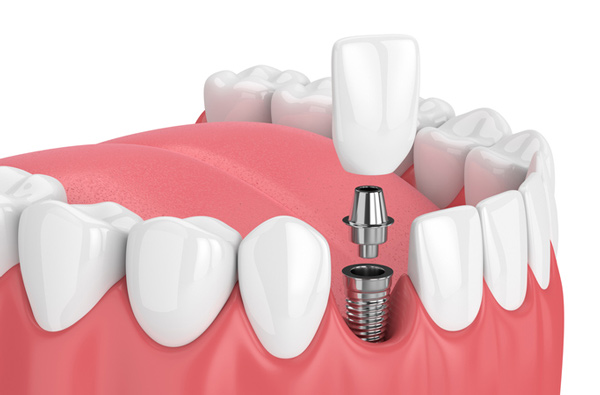
Dental implants are one of the most durable and reliable options for replacing missing teeth. When properly planned, placed, restored, and maintained, dental implants can last for many years and may support a healthy smile for decades. However, the exact lifespan of a dental implant depends on several factors, including oral hygiene, gum health, bone support, bite pressure, medical history, and regular dental care.
For patients in New York, NY, dental implants can be an excellent long-term investment in oral function and appearance. They are designed to replace missing tooth roots and support crowns, bridges, or dentures that look and function like natural teeth. While the implant post itself is built for long-term stability, the visible restoration may eventually need repair or replacement due to normal wear.
At , our dental team helps patients understand what affects implant longevity and how to care for implants so they remain strong, comfortable, and functional for as long as possible.
What Is the Average Lifespan of Dental Implants?
Dental implants are designed to be a long-term tooth replacement solution. The implant post, which is placed in the jawbone, can often last for decades with proper care. In many cases, the implant itself may last much longer than the crown, bridge, or denture attached to it.
The restoration on top of the implant is exposed to daily chewing forces, temperature changes, and normal wear. Because of this, an implant crown may need replacement over time, even when the implant post remains healthy and stable. This is similar to how a natural tooth may need a new crown after years of use.
It is helpful to think of a dental implant in two parts:
| • | Implant post - The artificial tooth root placed in the jawbone, designed for long-term support. |
| • | Implant restoration - The crown, bridge, or denture attached to the implant, which may wear down or need replacement over time. |
With good care and routine monitoring, both parts can provide dependable function and appearance for many years.
Why Dental Implants Can Last So Long
Dental implants are long-lasting because they become integrated with the jawbone. After the implant post is placed, the surrounding bone heals around it in a process called osseointegration. This creates a stable foundation that allows the implant to function similarly to a natural tooth root.
Once healed, the implant can support chewing forces and help maintain jawbone stimulation. Unlike traditional removable dentures, implants do not simply rest on the gums. They are anchored in the bone, which provides stability and helps preserve oral function.
Implants are also made from strong, biocompatible materials. These materials are designed to work safely with the body and resist decay. However, while the implant cannot get a cavity, the gums and bone around it still need consistent care. Healthy surrounding tissue is essential for long-term success.
Factors That Affect How Long Dental Implants Last
The lifespan of a dental implant depends on more than the implant material. Long-term success relies on the health of the mouth, the quality of the bite, and the patient’s daily habits.
Important factors include:
| • | Oral hygiene - Brushing and cleaning around the implant every day helps prevent inflammation and infection. |
| • | Gum health - Healthy gums help protect the implant and surrounding bone. |
| • | Bone density - Strong bone support helps keep the implant stable. |
| • | Bite pressure - Grinding, clenching, or uneven bite forces can stress the implant restoration. |
| • | Smoking or tobacco use - Tobacco can interfere with healing and increase the risk of implant complications. |
| • | Medical conditions - Diabetes, immune conditions, and certain medications may affect healing and gum health. |
| • | Routine dental visits - Professional monitoring helps identify early concerns before they become serious. |
Patients who maintain excellent home care and keep regular dental appointments are more likely to enjoy long-term implant success.
How Oral Hygiene Impacts Implant Longevity
Daily cleaning is one of the most important ways to help dental implants last. Although implants cannot decay, plaque can still collect around the gumline and under implant restorations. If bacteria are not removed, the tissue around the implant can become inflamed.
Early inflammation around an implant is often called peri-implant mucositis. At this stage, the gums may bleed, swell, or feel tender. If the inflammation progresses and affects the supporting bone, it may become peri-implantitis. This more serious condition can lead to bone loss and may threaten the stability of the implant.
A strong home care routine should include brushing at least twice daily and cleaning between teeth and implants every day. Depending on the type of restoration, your dental team may recommend floss, floss threaders, interdental brushes, or a water flosser.
Consistent home care helps protect the gum and bone support that implants need to last.
Do Implant Crowns Last as Long as the Implant Post?
The implant post and the implant crown do not always have the same lifespan. The post is protected beneath the gums and anchored in the jawbone, while the crown is exposed to daily wear. Over time, the crown may chip, loosen, stain, wear down, or need replacement due to changes in the bite.
For single-tooth implants, the crown may be replaced without removing the implant post if the implant remains healthy. Implant bridges and implant-supported dentures may also need maintenance or replacement of components over time.
Common reasons an implant restoration may need repair include:
| • | Normal wear - Daily chewing can gradually wear down restorative materials. |
| • | Chipping or cracking - Hard foods, trauma, or grinding can damage the restoration. |
| • | Loose components - Screws, abutments, or attachments may need adjustment. |
| • | Bite changes - Shifting teeth or jaw changes can affect how the restoration fits. |
| • | Esthetic updates - Some patients choose to replace older restorations for improved appearance. |
Regular dental checkups help ensure the restoration remains secure, comfortable, and properly aligned.
How Gum Disease Can Affect Dental Implant Lifespan
Healthy gums are essential for long-term implant success. Gum disease can affect natural teeth, but similar inflammation can also develop around dental implants. When bacteria collect near an implant, the gums may become irritated and the bone may begin to break down.
Patients with a history of periodontal disease may still be candidates for dental implants, but they may need more careful planning and ongoing maintenance. Treating gum disease before implant placement and maintaining healthy gums afterward can reduce the risk of complications.
Warning signs around an implant include bleeding, swelling, tenderness, gum recession, pain when chewing, a loose restoration, or a persistent bad taste. These symptoms should be evaluated promptly. Early treatment may help prevent more serious damage and protect the implant.
The Role of Bite Force and Teeth Grinding
Dental implants are strong, but they are not indestructible. Excessive force can damage the implant crown, loosen components, or place stress on the surrounding bone. Grinding and clenching, also called bruxism, can be especially harmful because they create repeated pressure over time.
Many people grind their teeth while sleeping and may not realize it. Signs can include worn teeth, jaw soreness, headaches, chipped restorations, or a tight feeling in the jaw. If grinding is present, a custom nightguard may be recommended to protect both natural teeth and implant restorations.
Bite alignment also matters. If an implant crown feels too high or uncomfortable when biting, it should be checked. A balanced bite helps distribute chewing forces properly and supports the long-term health of the implant.
How Lifestyle Habits Affect Implant Success
Lifestyle choices can influence how long dental implants last. Smoking and tobacco use are among the most important risk factors because they can reduce blood flow, interfere with healing, and increase the risk of inflammation around implants.
Nutrition also plays a role. A balanced diet supports gum and bone health, while frequent sugary foods and drinks can increase plaque buildup around natural teeth and gums. Staying hydrated helps support saliva flow, which naturally rinses the mouth and helps control bacteria.
Patients can help protect implants by avoiding habits that place unnecessary stress on restorations. Chewing ice, biting fingernails, opening packages with teeth, or chewing hard objects can damage crowns and create avoidable complications.
How Regular Dental Visits Help Implants Last Longer
Routine dental visits are essential for long-term implant maintenance. During these appointments, the dental team can examine the implant, check the gum tissue, evaluate the bite, monitor bone levels when needed, and professionally clean areas that are difficult to reach at home.
Professional implant maintenance may involve special instruments designed to clean implant surfaces safely. The dental team may also check whether the crown, bridge, denture, abutment, or attachment is secure.
Some patients do well with visits every six months, while others need more frequent maintenance. Patients with a history of gum disease, heavy tartar buildup, smoking, dry mouth, diabetes, or previous implant inflammation may benefit from closer follow-up.
These visits help catch small issues early, often before symptoms become noticeable.
How To Make Dental Implants Last as Long as Possible
Dental implants last longest when patients combine good home care with professional monitoring. A consistent routine helps protect the gums, bone, and restoration from avoidable problems.
Helpful habits include:
| • | Brush twice daily - Use a soft-bristled toothbrush to clean around implants, teeth, and gums. |
| • | Clean between teeth every day - Floss, interdental brushes, or a water flosser may be recommended. |
| • | Avoid tobacco - Smoking and tobacco use can increase the risk of implant complications. |
| • | Protect against grinding - Wear a nightguard if your dental team recommends one. |
| • | Avoid chewing hard objects - Ice, pens, and hard candy can damage implant restorations. |
| • | Keep maintenance visits - Regular exams and cleanings help protect long-term implant health. |
| • | Report changes early - Loose restorations, bleeding, swelling, or bite changes should be checked promptly. |
These steps can help extend the lifespan of both the implant post and the restoration attached to it.
Are Dental Implants Worth It Long Term?
For many patients, dental implants are worth considering because they offer durability, stability, and natural function. Unlike removable dentures, implants are anchored in the jawbone. Unlike traditional bridges, a single implant does not require reshaping neighboring teeth for support.
Dental implants can also help preserve jawbone stimulation after tooth loss. When a tooth is missing, the bone in that area may begin to shrink because it no longer receives pressure from the tooth root. An implant helps transfer chewing forces into the bone, which supports long-term oral structure.
While implants require an initial investment of time and care, their long-term benefits can make them a valuable option for many patients who want stable tooth replacement.
Dental Implant Longevity in New York, NY
Dental implants can last for many years and may provide decades of support with proper care. Their longevity depends on healthy gums, strong bone support, balanced bite forces, good daily hygiene, and regular professional maintenance.
At Matsui Dental, our dentists and dental team help patients in New York, NY protect their dental implants through personalized care, routine monitoring, and practical maintenance guidance. With the right habits and ongoing dental support, implants can remain a strong, comfortable, and natural-looking part of your smile for the long term.
FAQs
How long do dental implants usually last?
Dental implants are designed to last for many years and may last for decades with proper care. The implant post can often last longer than the crown, bridge, or denture attached to it, which may need replacement due to normal wear over time.
Can dental implants last a lifetime?
Dental implants can last a very long time and may last a lifetime for some patients, but this depends on oral hygiene, gum health, bone support, bite forces, medical conditions, and regular dental maintenance.
Do implant crowns need to be replaced?
Yes, an implant crown may eventually need replacement even if the implant post remains healthy. Crowns are exposed to daily chewing forces and can wear, chip, loosen, or need updating over time.
What can cause a dental implant to fail?
Dental implant problems may be caused by poor oral hygiene, gum inflammation, bone loss, smoking, uncontrolled medical conditions, teeth grinding, excessive bite pressure, or lack of regular dental maintenance.
How can I make my dental implants last longer?
You can help dental implants last longer by brushing twice daily, cleaning between teeth and implants every day, avoiding tobacco, wearing a nightguard if recommended, avoiding hard chewing habits, and keeping routine dental visits.